The Missing Link:
Why Your Project Feels Like a Full-Time Job
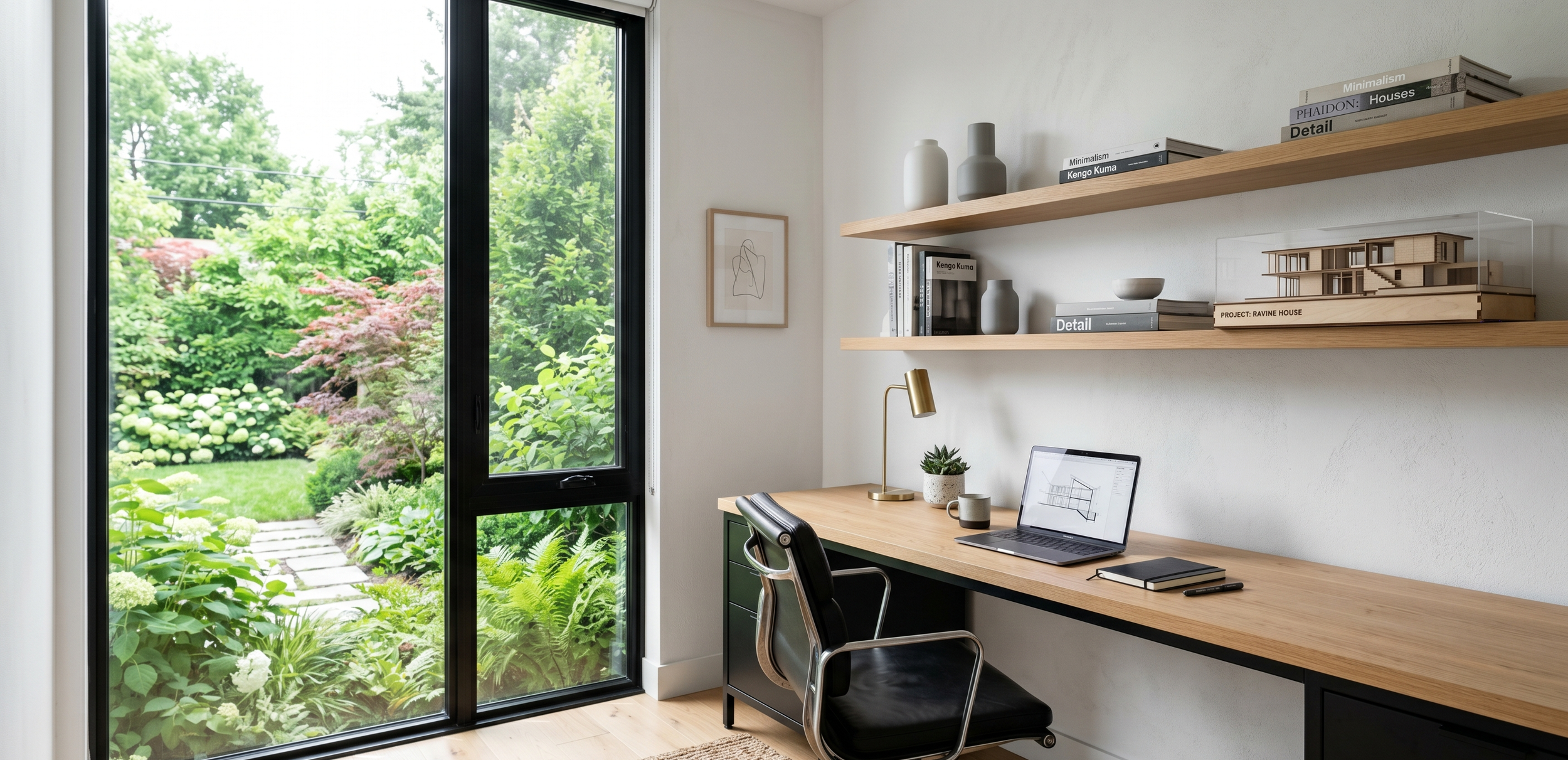
There's a profound disconnect between the desire to build wealth through co-ownership and the physical reality of executing the project. For most young professionals, embarking on a joint real estate venture quickly devolves into an unpaid, high-stress, second full-time job.
This exhaustion is not a byproduct of the real estate market itself, but of the deeply fragmented ecosystem that governs it.
Consider the current, broken journey of acquiring a co-housing property. You begin with a real estate agent who understands market comparables but lacks the technical expertise to evaluate a property's potential for multi-unit conversion. You then transition to a mortgage broker who attempts to force an innovative co-ownership structure into a rigid, traditional lending model. Finally, after months of bureaucratic friction, you hire an architect who operates in an aesthetic silo, disconnected from the financial constraints and the specific, negotiated legal boundaries of your co-ownership group.
This disjointed relay race inevitably leads to critical miscommunications, budget overruns, and timeline delays. It's the primary reason why many millennial buyers abandon their co-housing aspirations and settle for overpriced, inadequate condos.
The cognitive load is staggering. You're expected to become an amateur expert in municipal zoning bylaws, construction cost estimating, interior spatial planning, and complex legal agreements, all while maintaining your actual career. Evenings and weekends disappear into spreadsheets, email chains with contractors who don't respond, and frustrating calls with city planning departments where you're transferred five times before reaching someone who might have an answer.
The solution lies in aggressive centralization.
By merging zoning analysis, financial modeling, real estate acquisition, and architectural design into a single, cohesive workflow, the cognitive burden on the user is entirely removed. When a design firm takes ownership of the entire lifecycle, acting as the strategic liaison between the bank, the city, and the builders, the client is no longer a stressed project manager.
They return to their rightful position: the visionary co-owner of a performing asset.
This integrated approach means that when you view a property, you're not just seeing it as it currently exists. You're seeing it through the lens of what it can legally become, what it will cost to transform, and how the finished spaces will actually feel to inhabit. The architect, the cost estimator, and the zoning specialist are all operating from the same unified intelligence.
When a potential structural issue is identified during the architectural phase, it's immediately cross-referenced against the budget and the construction timeline. Solutions are proposed in real time, not six months later when demolition has already begun and change orders start piling up.
This is the difference between architecture as a service and architecture as a strategic partnership. One delivers drawings. The other delivers certainty.
Ready to explore co-housing as a strategic investment?
Let's talk about how intelligent design can turn shared ownership into your greatest financial advantage.