Honest Materiality: The Beauty of Aging Well
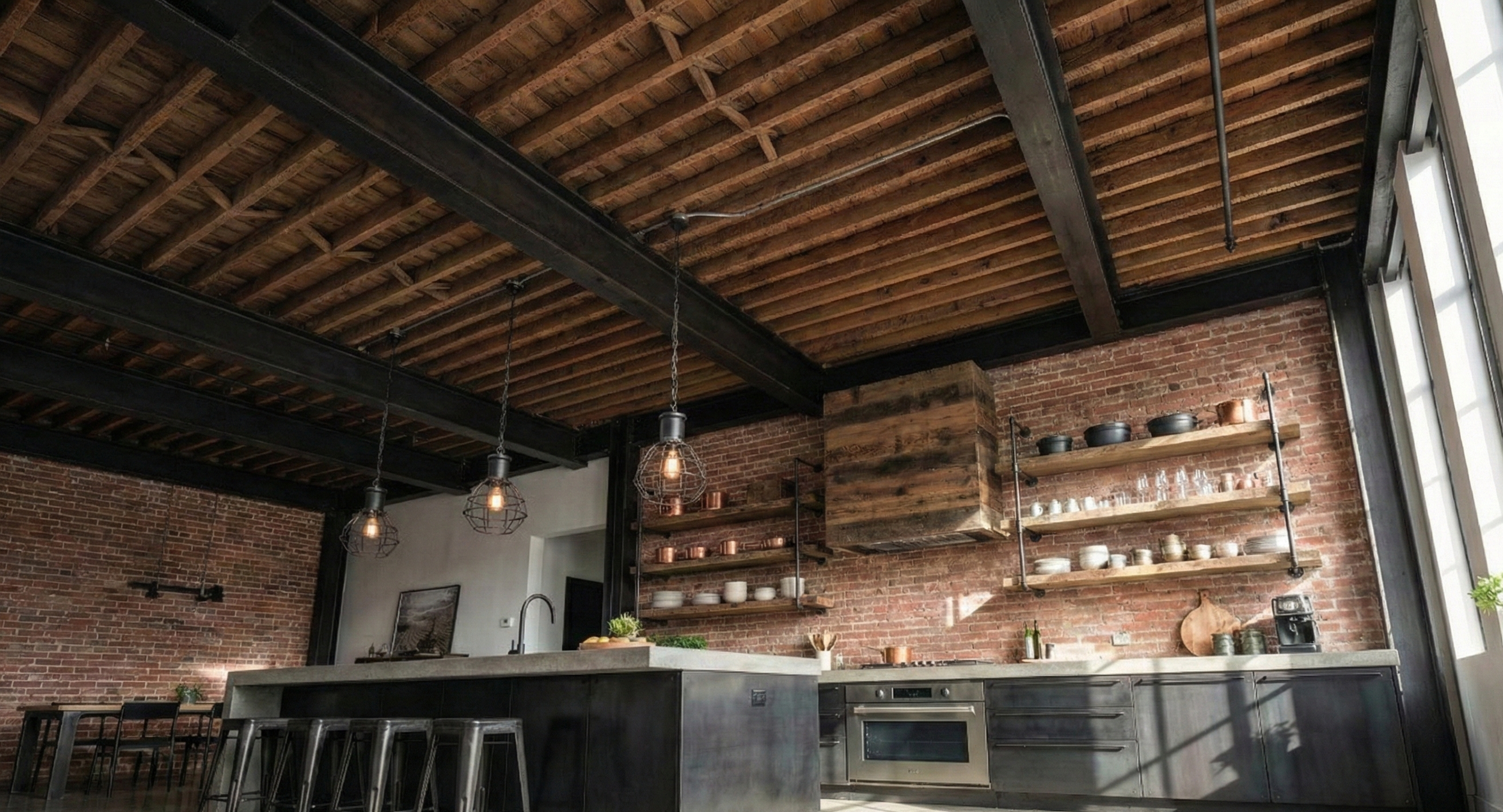
In a world filled with synthetic finishes, vinyl flooring, and surface-level imitations, we advocate for honest materiality.
When you see brick in our renders, it's not a generic texture pulled from a digital library. We're thinking of reclaimed brick, something with weight, texture, and history. When you see wood, we're specifying oak or walnut with a particular grain and finish. Concrete means polished or raw, cast in place or precast, with a specific mix ratio.
Why does this level of detail matter at the concept stage?
Because natural materials possess a quality that synthetics simply don't: patina. A well-designed home should look better in ten years than the day it opens. Synthetic materials tend to look their best the day they're installed and slowly degrade from there. Natural materials, on the other hand, gain character. Leather softens, copper oxidizes, wood deepens in tone.
By defining materials precisely from the start, we ensure two things:
Timeless Aesthetic Your home won't look dated when this year's trends shift, because honest materials never go out of style.
Supply Feasibility We don't specify "a gray material." We specify something we know exists, can be sourced, and can be installed properly.
This ensures the beauty you see in the concept is the beauty you get in reality.