Anatomy of "Atmosphere": Beyond Decoration
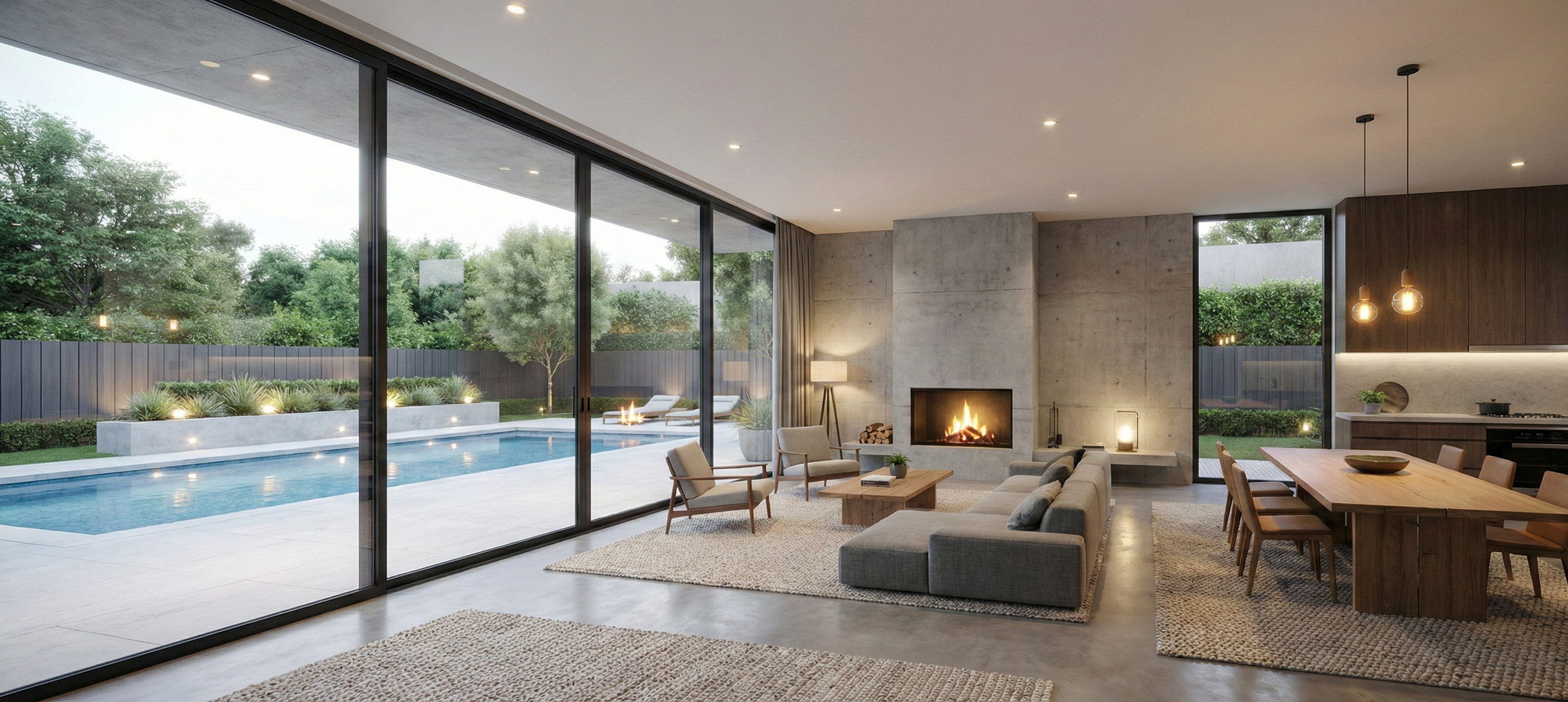
What makes a house feel right?
It's rarely the expensive furniture or the brand of faucet in the powder room. It's something harder to name, something we call spatial psychology. The way a room breathes. The delicate interplay between openness and containment.
Many studios design for the "magazine shot," creating spaces that look incredible when empty but feel cold or awkward in daily life. Our philosophy is simpler: we design for how you actually live. To do this, we analyze invisible factors that traditional plans often miss.
Visual Hygiene We design integrated storage so that visual clutter disappears. When surfaces are clear, architecture can breathe, and consequently, your mind feels clearer.
Privacy vs. Connection Especially on narrow urban lots common in Toronto neighborhoods like The Annex or Rosedale, the challenge is inviting light in without sacrificing intimacy. We use internal courtyards, strategic skylights, screening lattices that act as veils.
Flow of Movement How do you move from your morning coffee to your workspace? Architecture should facilitate life, not obstruct it.
These aren't just aesthetic choices. They're the foundation of how a space feels to inhabit. A home shouldn't just look good; it should feel good.