Architecture That Listens:
Measuring the Emotional Return
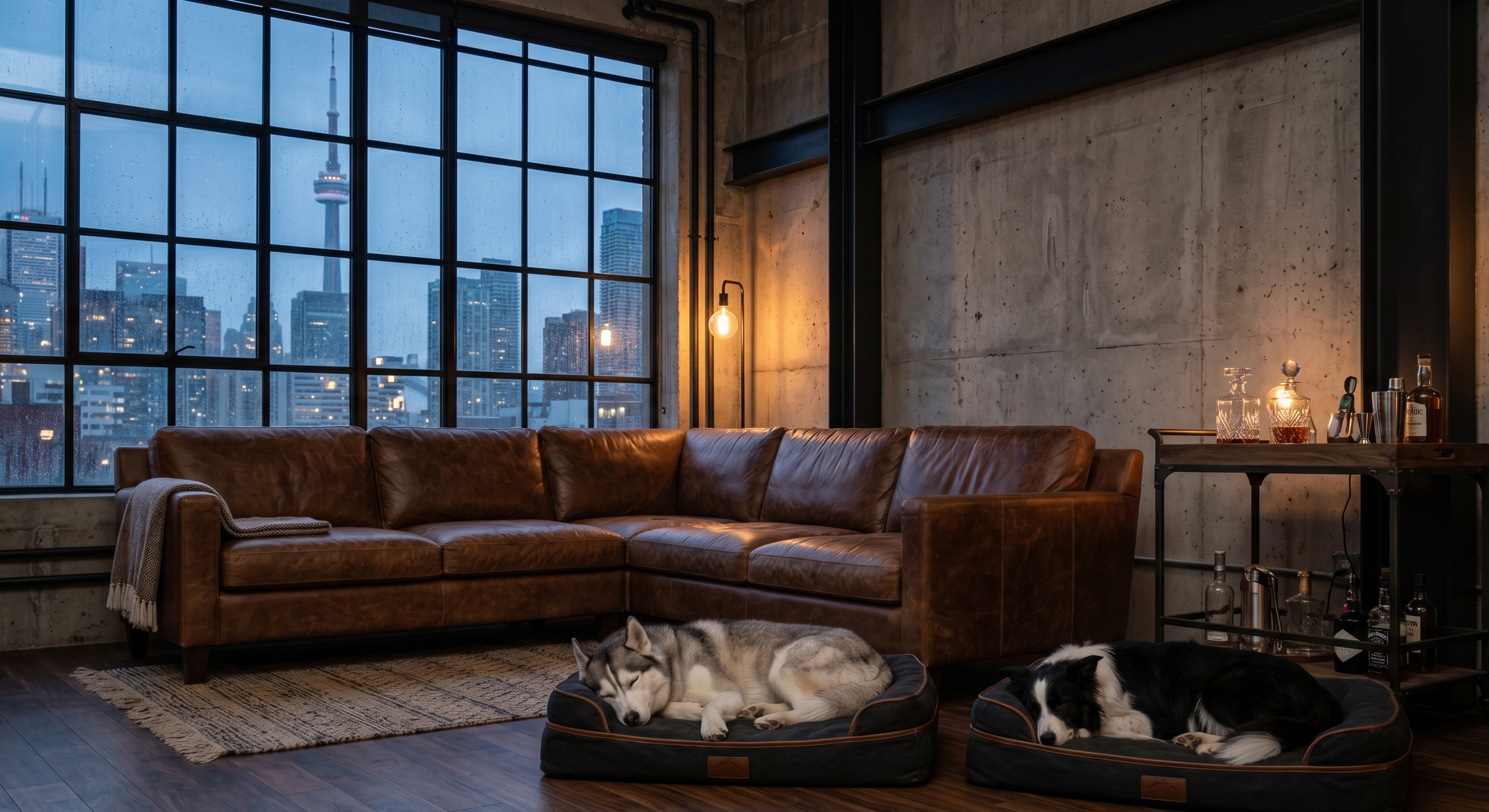
The true measure of a successful architectural intervention cannot be quantified on the day the keys are handed over.
The initial visual impact of a completed space is fleeting. The ultimate test of a co-housing environment is its ongoing emotional and psychological return on investment over years of habitation.
A home should not merely house its occupants. It should actively facilitate their restoration and accommodate their passions. The bohemian sybarite aesthetic thrives on this principle. It's found in the deeply tactile experiences that ground us after a high-velocity week.
It's the solid, reassuring weight of a hand-restored wooden lounge chair, breathing new life into forgotten craftsmanship, set against the brutalist perfection of a polished concrete floor. The juxtaposition of warmth and coldness, softness and hardness, creates a sensory richness that synthetic materials simply cannot achieve.
It's the olfactory architecture of the space, the intentional layering of cedarwood and sandalwood room scents that instantly signal the brain to downshift into recovery mode upon crossing the threshold. Scent is the most direct pathway to the limbic system, the emotional center of the brain. When a space smells like sanctuary, it becomes sanctuary.
It's the precise, atmospheric lighting over a dark oak kitchen island, designed specifically to set the stage for crafting complex, rum-based cocktails while dissecting the week's events with your co-owners. The lighting isn't just functional, it's theatrical. It transforms a routine Friday evening into a ritual worth anticipating throughout the workweek.
These details accumulate into what we call the emotional dividend of good design. It's waking up on a Saturday morning and genuinely wanting to stay home rather than escape it. It's the pride you feel when hosting friends, not because of ostentatious displays of wealth, but because the space authentically reflects your values and aesthetic sensibility.
It's the quietness of the space, both literally and metaphorically. The heavy materials that provide acoustic separation also create a psychological sense of permanence and stability. In a world characterized by constant flux, coming home to solid concrete and honest steel feels like an anchor.
We measure success in the small, recurring moments that define daily life. It's the morning light that hits the breakfast nook at exactly the right angle because we studied the sun path during the design phase. It's the seamless flow from cooking to dining to lounging because we mapped your actual movement patterns, not just copied a generic open-plan layout.
When a co-housing project is executed with this level of empathetic, strategic design, it ceases to be just a shared financial asset.
It becomes a highly calibrated instrument for living, a space that continuously pays dividends not just in equity, but in certainty, comfort, and profound personal satisfaction. This is architecture that earns its keep every single day, in ways both measurable and immeasurable.
Ready to explore co-housing as a strategic investment?
Let's talk about how intelligent design can turn shared ownership into your greatest financial advantage.